Geography
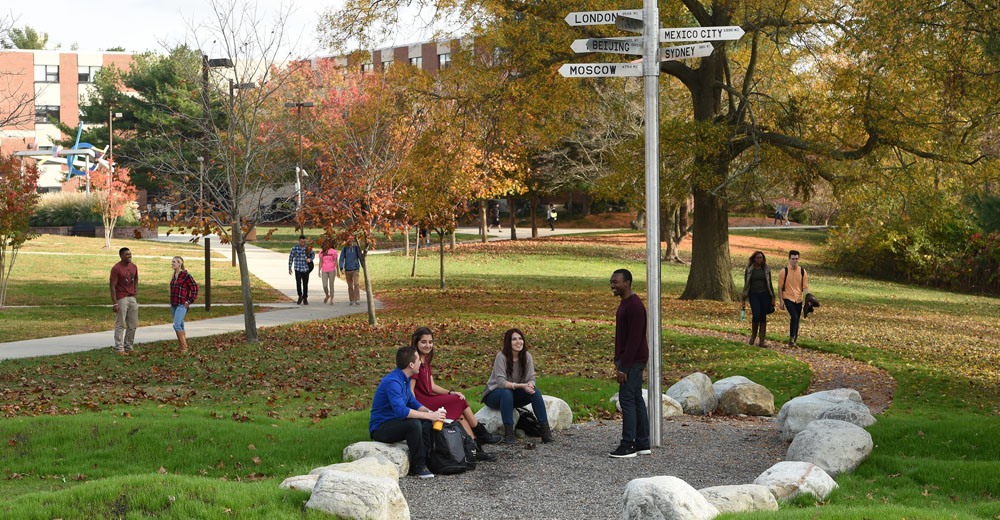
Geography
Department of Geography, Planning, & Sustainability
The Department of Geography Planning & Sustainability (GPS) is a dynamic department composed of our faculty, staff, and students. Our faculty are an energetic group who value both student learning and innovative scholarly and applied research.
The Department currently has about 175 majors spread among our degree programs in Geography, Environmental & Sustainability Studies, Geographic Information Science, and Community and Environmental Planning, and the Accelerated Dual Degree programs in Environmental & Sustainability Studies with the Master's in Business Administration and Community and Environmental Planning with the Master’s of Science in Urban and Regional Planning.
The Department of Geography Planning & Sustainability is located in Discovery Hall, Room 218.
GPS launched its new Master of Science in Urban and Regional Planning in Fall 2020. This program offers comprehensive education in sustainable planning and policy, geographic information science, and community planning and site design.
Learn more about our faculty, our academic programs, and our research through our department website. And, feel free to get in touch!
Academic Programs
The Department of Geography, Planning & Sustainability offers several major, minor, and certificate programs that integrate both the theory and practice of environmental problem-solving. Our programs blend academic understanding with applied tools to help students develop solutions to environmental issues while developing strong critical thinking, writing, and project management skills.
News

How Do Hurricanes Affect Eviction Risk?
A study by Dr. Qian He reveals how post-hurricane rent spikes increase eviction risks for coastal renters, and how federal disaster aid can help keep families housed.
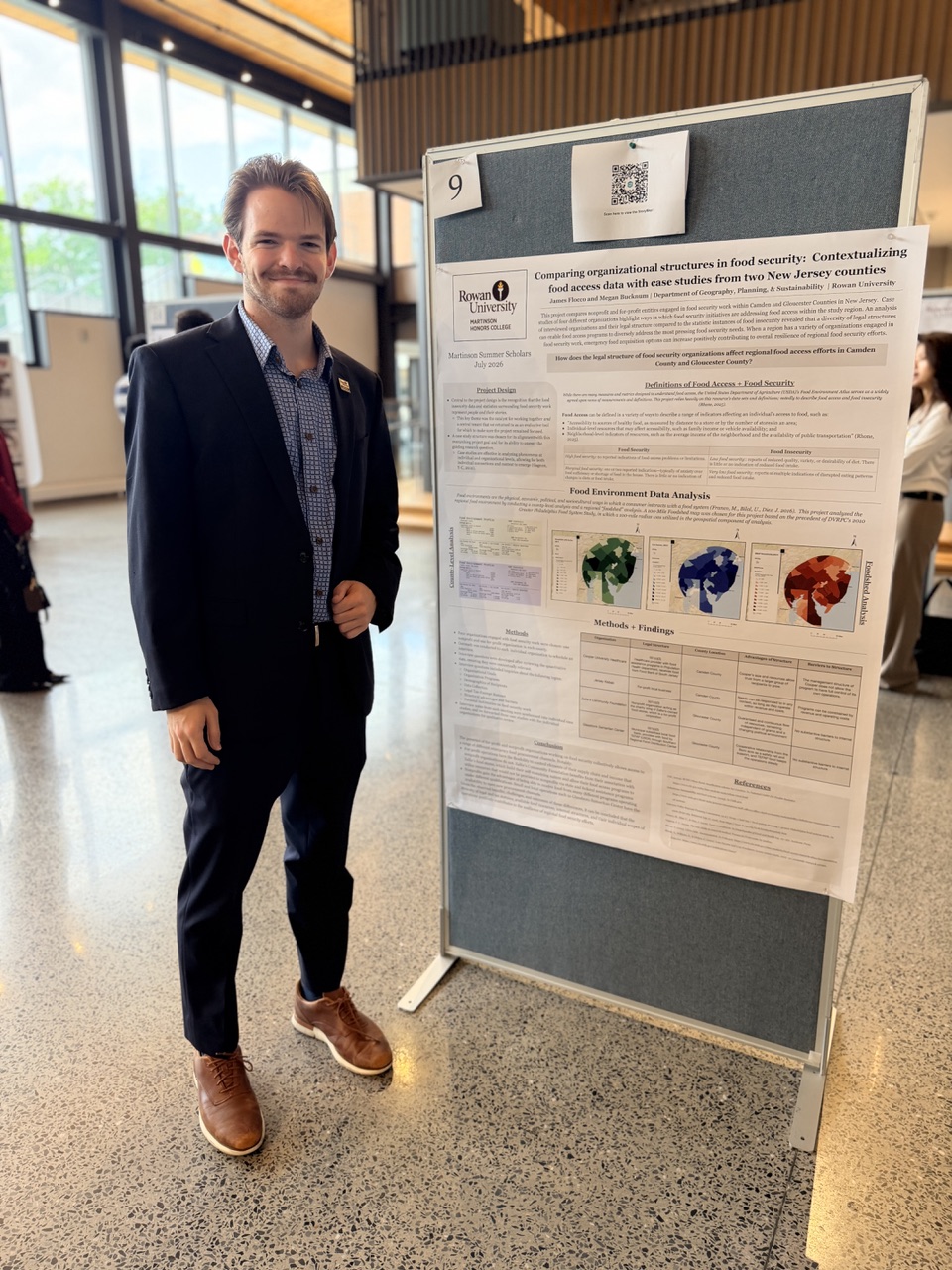
James Flocco on Food Access in NJ
GPS student and Matrinson Summer Scholar analyzed non-profit and legal structures tackling food insecurity across Camden and Gloucester counties.
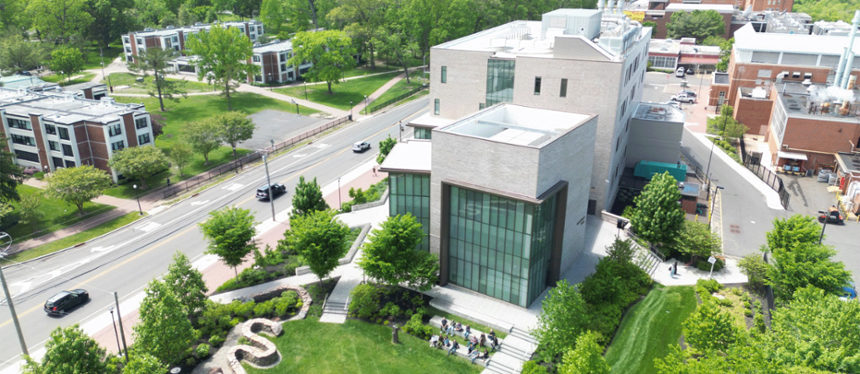
Rowan CEP: NJ's First Accredited Bachelor's Planning Program
Rowan’s CEP program earned five-year PAB accreditation, New Jersey’s first accredited planning bachelor’s program.